Study Mode: Instructor paced
Psychological Safety: Powering Performance and AI
From Holding Back to Thriving Together
Psychological Safety is the shared belief that the team is safe for interpersonal risk-taking and a key predictor of performance. This workshop, validated across 80 teams in 40+ cultures, combines neuroscience, research, and practical tools to help leaders build teams where people share their deepest concerns and most original ideas. It uses play to rediscover the joy of impactful collaboration and unlock lasting performance.
Context
Why join?
In many teams and organizations, people hesitate to admit mistakes, challenge ideas, or ask for help. This “silent friction” comes at a high cost: when the brain perceives social threat, it shifts into survival mode. Creativity narrows. Collaboration weakens. Decision-making and performance suffer. Psychological Safety is not about being nice or avoiding conflict; it’s about creating an environment where truth is spoken, ideas and conflict drive improvement, and excellence is pursued without holding back. In an age of AI-driven disruption, it is no longer a nice-to-have. It is a strategic capability that helps leaders and employees stay open, build critical skills, and navigate the uncertainty about what AI and the new way of working mean for their professional future.

Learning Objectives
How will you benefit?

Leadership Growth
Who should join?

UnLearning Experience
Dive into unique methodologies, insightful experiences, and in-depth process.
How will the journey be?
This workshop is built on Amy Edmondson’s foundational research and the groundbreaking work of Lies Wouters-Soomers, validated in practice by 80 teams from more than 40 cultures, alongside a diverse range of additional clients. It is delivered with an experiential learning approach: you will not just learn about Psychological Safety, you will experience it in the room.
Three lenses structure the entire journey:
▸ Individual: How safe do I feel, and what can I do for myself?
▸ Team: How safe is our team, and how do we read the signals correctly?
▸ Organization: What conditions does our culture create, or prevent?
The 4 building blocks (Lies Wouters-Soomers´ framework) – self-support, empathy, trust, and autonomous support – demonstrate what each individual and the entire team can do to create Psychological Safety.
A central tool is the “Map Metaphor,” which enables situational awareness of one´s own and others´ sense of safety and provides a simple language for open and honest dialogue.
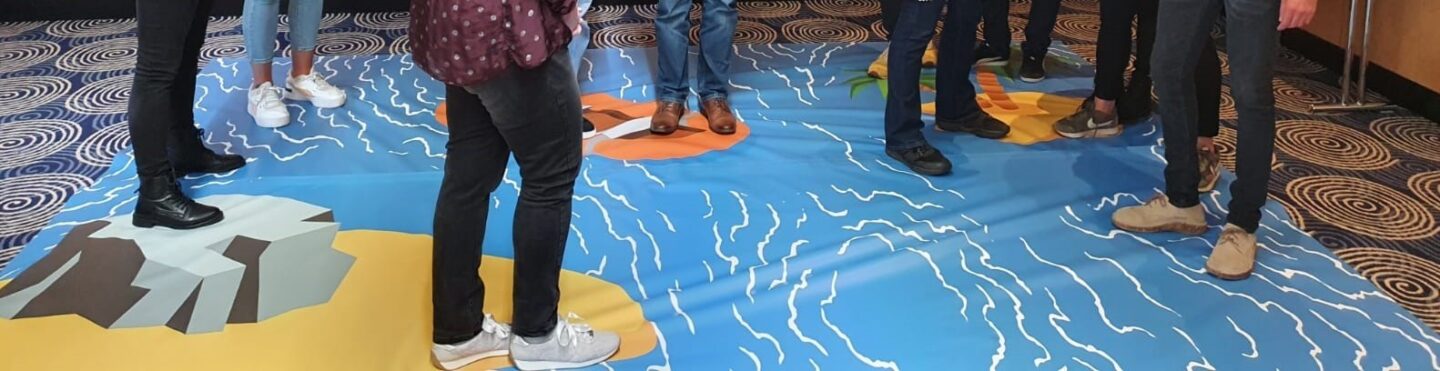
At the heart of the workshop is the “Lead Your Team to Safety” game. This interactive simulation brings real workplace situations to life, transforming theory into a vivid and memorable learning experience. Through open and candid dialogue, participants and their leaders cultivate a profound understanding of one another, strengthening their connections and laying the foundation for more supportive and collaborative relationships. Participants are also encouraged to bring their own challenges or cases to the game to gain deeper insights into each team member’s and the team’s overall perception. Working with participant cases often creates important developmental momentum in the team, as previously unseen barriers become visible and accessible for shared exploration. It is within this shared exchange of experience and conversation that true openness for transformation unfolds.
Available onsite and online – as an individual workshop, a team journey, or a tailored organizational program.
Facilitated in English and German.
Curriculum Overview
The following curriculum provides an overview of the individual workshop.
The broader team journey and organizational program will be customized to reflect the specific context and unique needs of your team or organization.
WORKSHOP I (1/2 day) — Foundations & Experience
What is Psychological Safety?
Three Psychological Safety perspectives: individual, team, organization; the cost of silence.
The Neuroscience
How the brain and body respond to (un)safety, and how this shapes motivation, decision making, collaboration, and performance.
3 Basic Psychological Human Needs‘
Autonomy, competence, connection – the universal foundation of wellbeing and sustainable performance.
4 Building Blocks (Lies Wouters-Soomers´ framework)
Self-Support, empathy, trust, autonomous support – starting with yourself and expanding to the team.
The Map Metaphor
Visualise safety levels instantly; lower the barrier to honest dialogue with a shared, simple language.
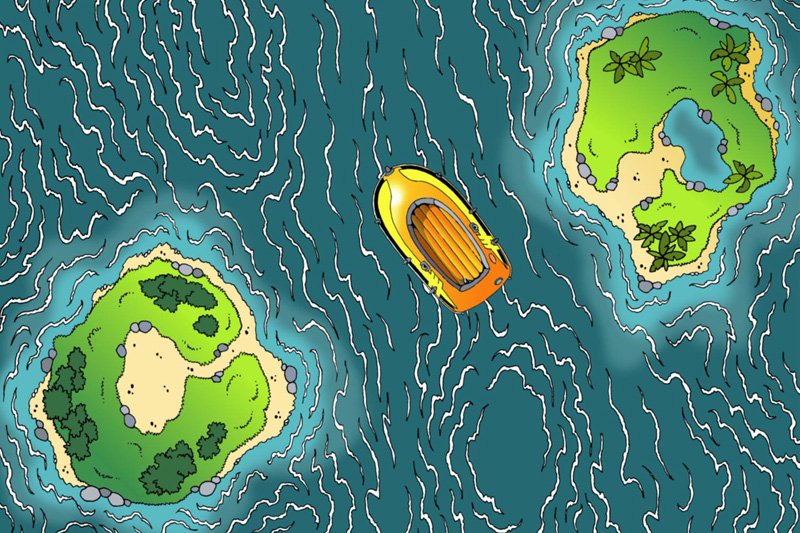
“Lead Your Team to Safety” Game
The heart of the workshop is the interactive simulation game “Lead your Team to Safety”, representing half of the program and offering a deeply engaging, high-intensity exploration of real workplace situations that fosters genuine openness to transformation.
WORKSHOP II (1/2 day) — Deepening & Transfer (recommended)
Deepening
Recap of theory, clarifying open questions, and connecting insights to real team dynamics.
Applied Practice With Your Real Team Challenges
Enhancing Psychological Safety by addressing current challenges/scenarios brought by the team with the “Lead Your Team to Safety” game: for example, new leadership, AI-related changes, shifts in team composition, or new ways of working.
Integration
Personal takeaways, team agreements, and concrete next steps to embed Psychological Safety as a daily team and leadership practice.
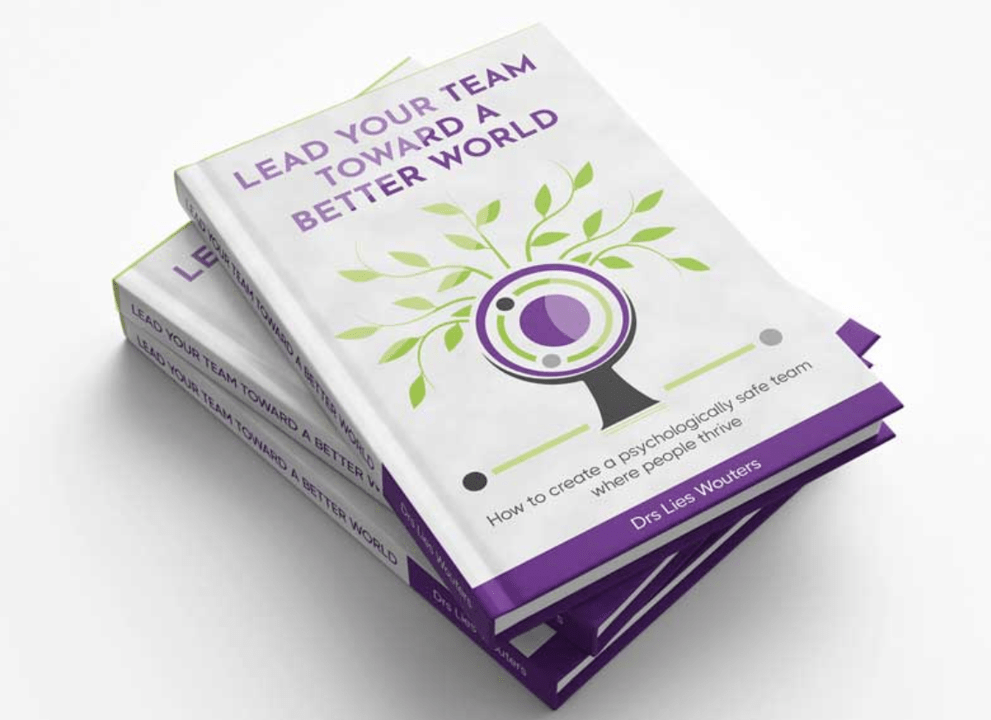
Below is a picture of Lies Wouters-Soomers’ book “Lead Your Team Toward A Better World”.
Join this journey
Psychological Safety: Powering Performance and AI: From Holding Back to Thriving Together .
Meet your facilitators


Please complete your enrollment
Psychological Safety: Powering Performance and AI
From Holding Back to Thriving Together .
Self-paced
Free Course
Already registered?
Login into your existing account.
Please note: A user profile will be created for New Students to access the the digital campus.