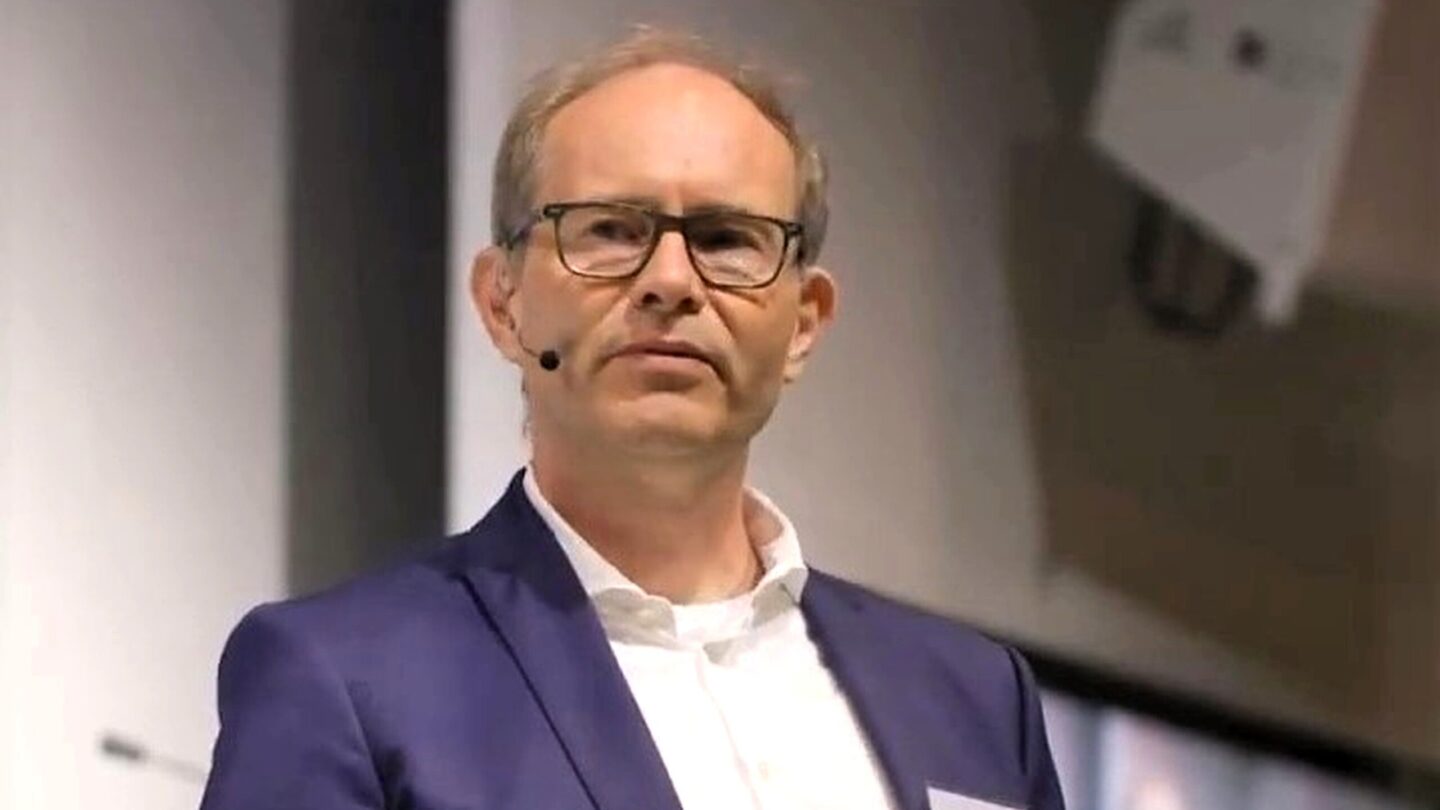
Over the past few months, I have witnessed something remarkable and humbling while facilitating VR training sessions with our partner wondder. These immersive VR experiences are designed to illuminate the subconscious patterns that shape our behavior at work, and what unfolds in that virtual space reveals far more than professional blind spots. It exposes something deeply human: our relationship with the unknown.
Two Paths Diverge in a Virtual World
Step into a vivid office simulation, and you will witness a striking divide. Some participants lean in with childlike wonder, eager to explore this digital mirror of reality and discover what it might reveal about themselves. They embrace the discomfort of self-examination, treating each virtual challenge as an invitation to grow.
Others pull back. They search for imperfections in the technology, questioning the validity of the experience before it’s even begun. Behind their skepticism lies something more tender, a fear of awakening old wounds, of confronting memories they’ve carefully tucked away. The reasons they cite sound logical: the scenario isn’t realistic enough, the simulation doesn’t capture the complexity of my life. In most cases, these objections serve as armor, protecting them from the vulnerability required for genuine transformation.
The Seduction of Certainty
The debrief sessions after the VR session, reveal the deeper pattern. Those who resist the experience often arrive with answers already in hand. They know how things work. They know what matters. When the virtual reality presents a situation that conflicts with their worldview, they don’t adjust their perspective. They dismiss the experience itself.
This is the knowing trap: the belief that our accumulated knowledge is good enough, that our past experiences have taught us everything we need to navigate what is ahead. These individuals recycle yesterday’s solutions, unable to imagine alternatives that haven’t yet crossed their path. In stable times, this might suffice. But we don’t live in stable times.
A World That Demands More
We are standing at the confluence of transformational forces (artificial intelligence reshaping entire industries, geopolitical tensions rewriting global relationships, societies fracturing along ideological lines, climate change demanding unprecedented adaptation, economic paradigms being questioned and reinvented). The ground beneath us is shifting constantly.
In this accelerating landscape, technical expertise alone won’t carry us forward. The skills that will define successful leadership by 2030 tell a revealing story: of the eleven core competencies identified as essential for thriving in the next decade, eight center on human connection. Empathy. Self-awareness. Resilience. Social influence. Creativity. The ability to truly see and understand one another. (if want to learn more about it: https://consciousleadershipacademy.org/course/leading-tomorrow/ )
We need more than brilliant minds. We need open hearts and curious spirits, not just toward technological innovation or scientific breakthroughs, but toward each other. Toward the colleague who sees things differently. Toward the family member we have stopped really listening to. Toward the communities we are part of but don’t fully understand.
The Prison of Certainty
When we believe we know, we close the door on possibility. We convince ourselves that our answer is the answer, that our perspective captures the whole truth. In that moment, we become blind to the future unfolding before us, deaf to opportunities knocking at our door.
Our knowledge, our hard-won expertise, our sharp intellect – these gifts can become our greatest limitations. They can trap us in patterns that once served us well but now hold us back.
Albert Einstein understood this paradox when he observed: “The true sign of intelligence is not knowledge but imagination.”
The Invitation
Perhaps the real question isn’t what we know, but what we’re willing to not know. What assumptions are we brave enough to question? What certainties are we courageous enough to release? What possibilities are we open enough to imagine?
The future belongs not to those who know the most, but to those who remain curious, who stay vulnerable, who connect, who choose growth over comfort. It belongs to those willing to step into the unknown, virtual or otherwise, and ask: “What might I discover about myself today?”
The choice is ours. We can cling to the safety of what we know, or we can embrace the uncertainty that comes with genuine learning. Only one of these paths leads forward.